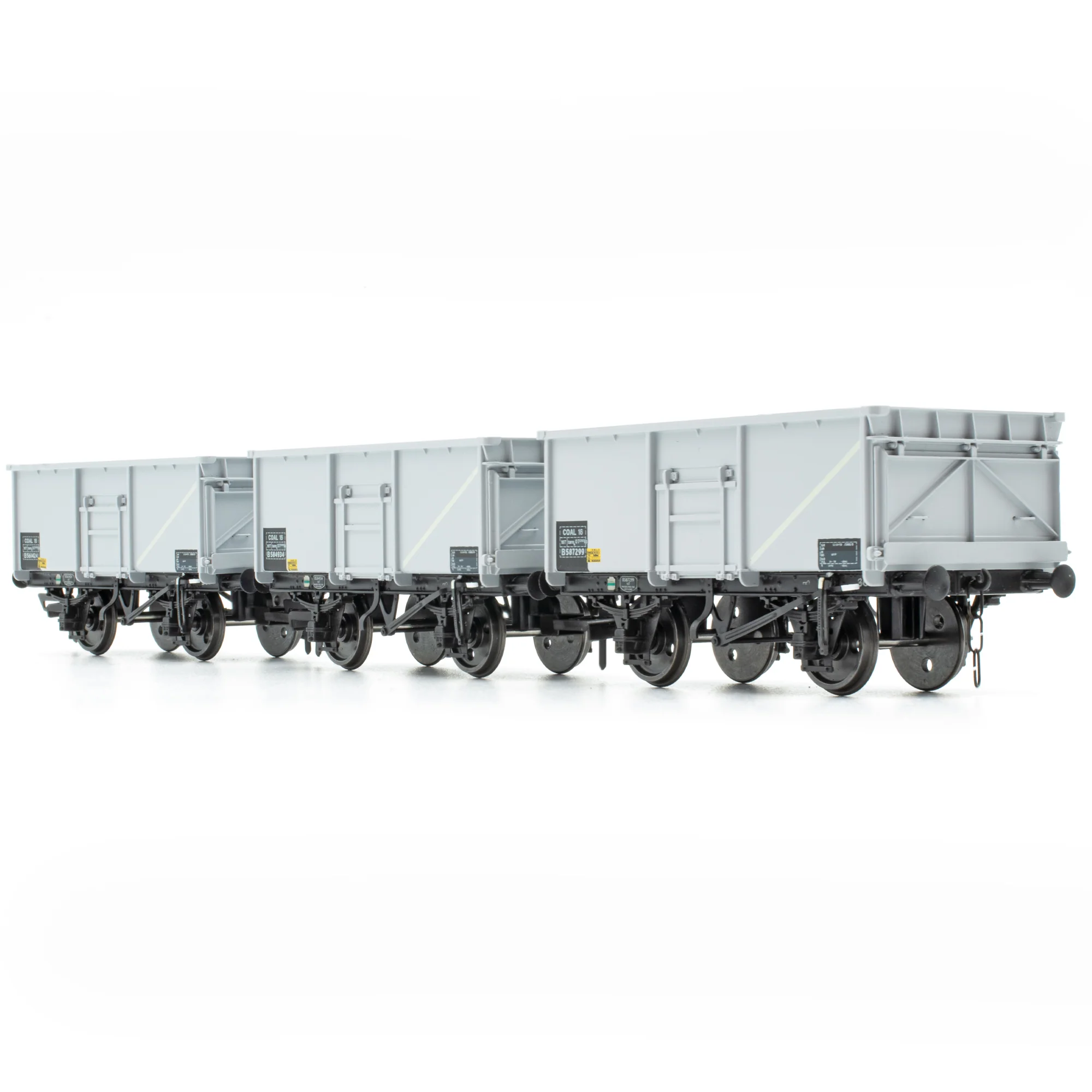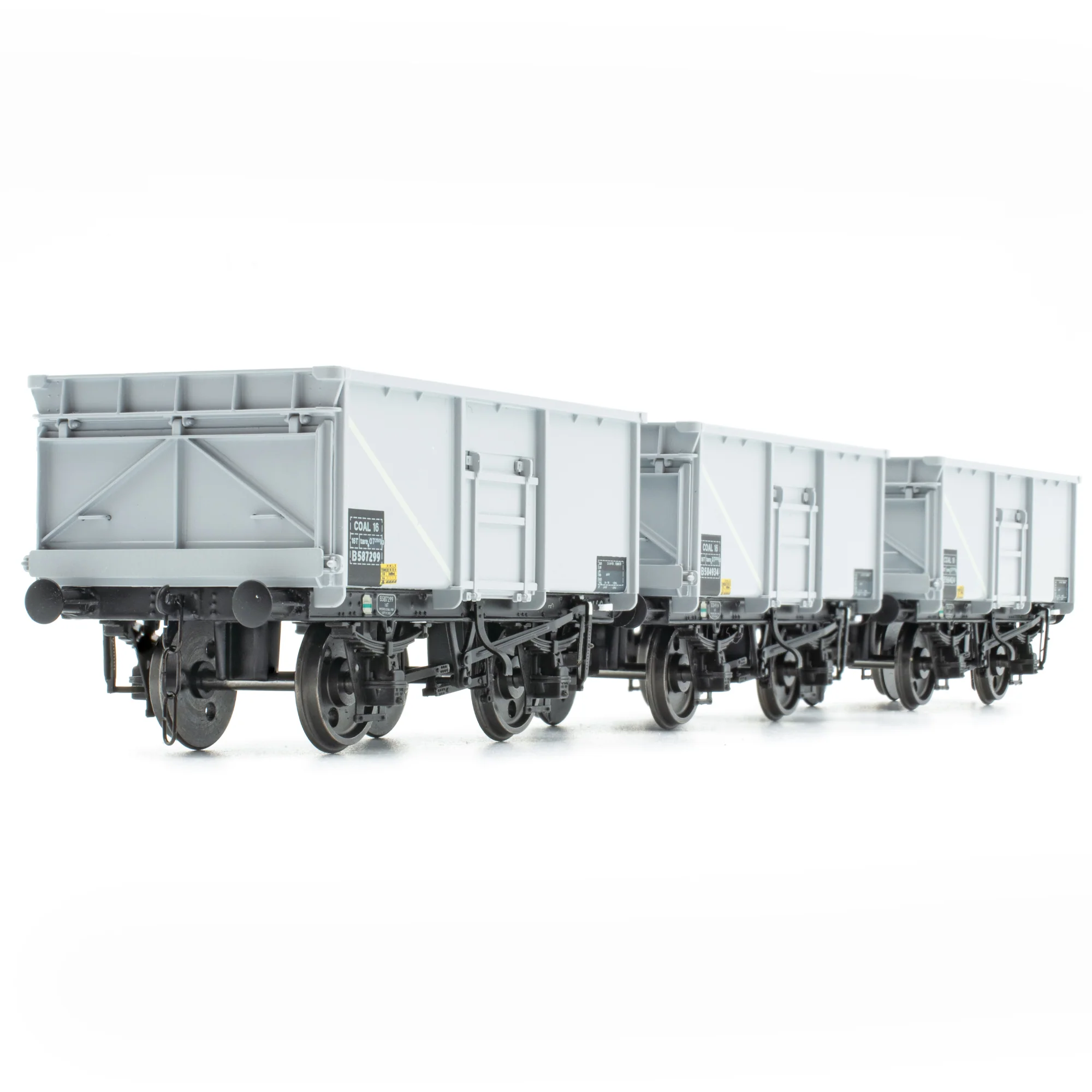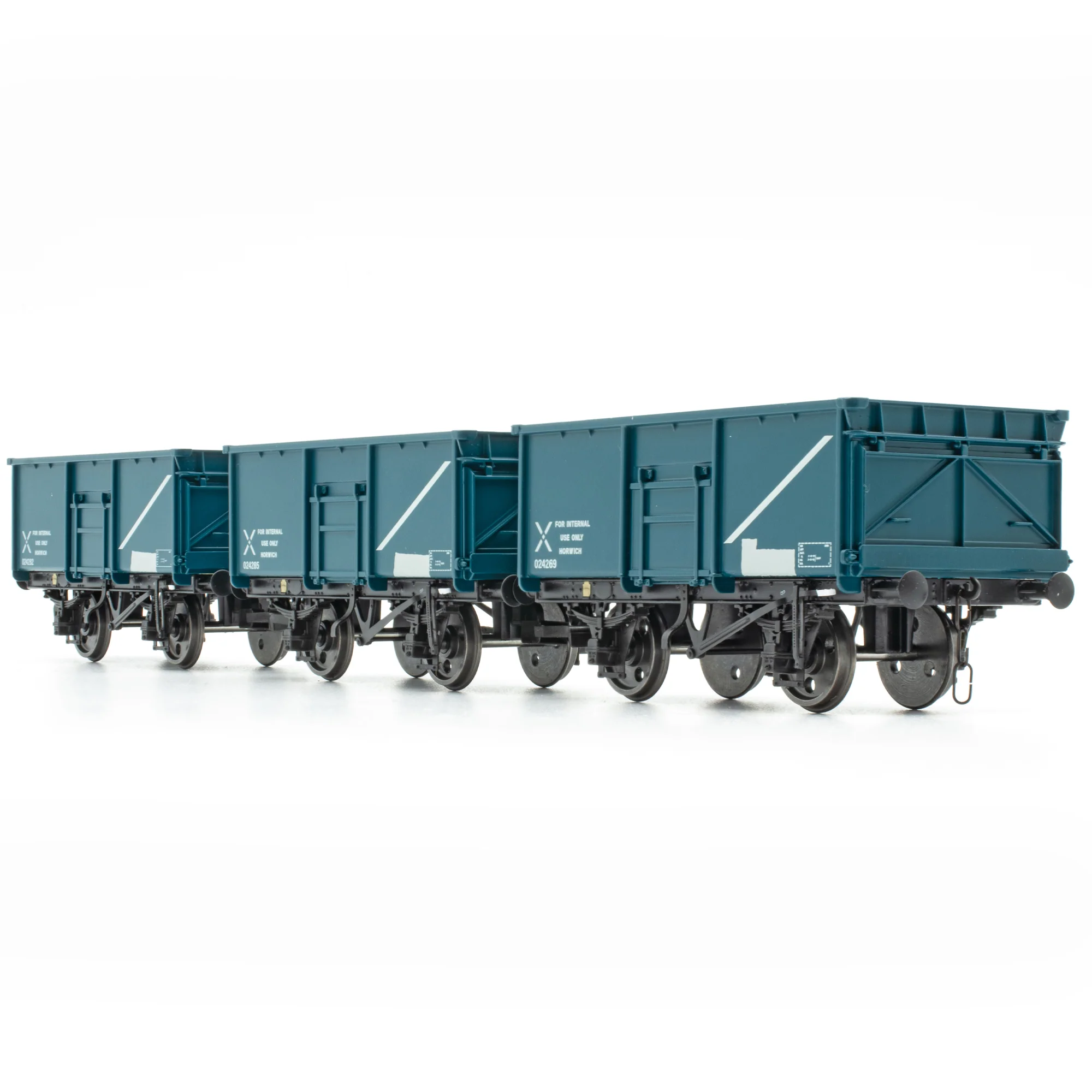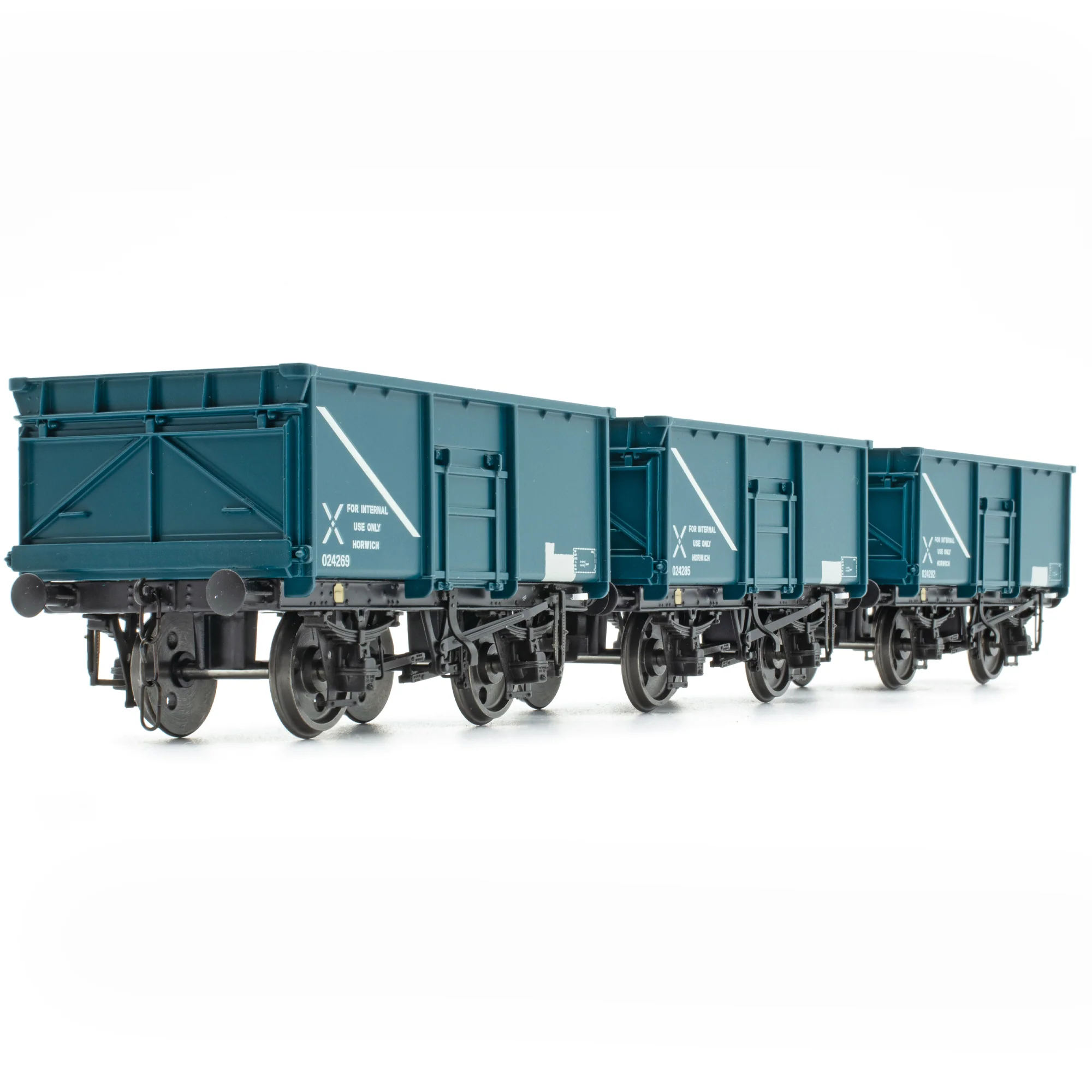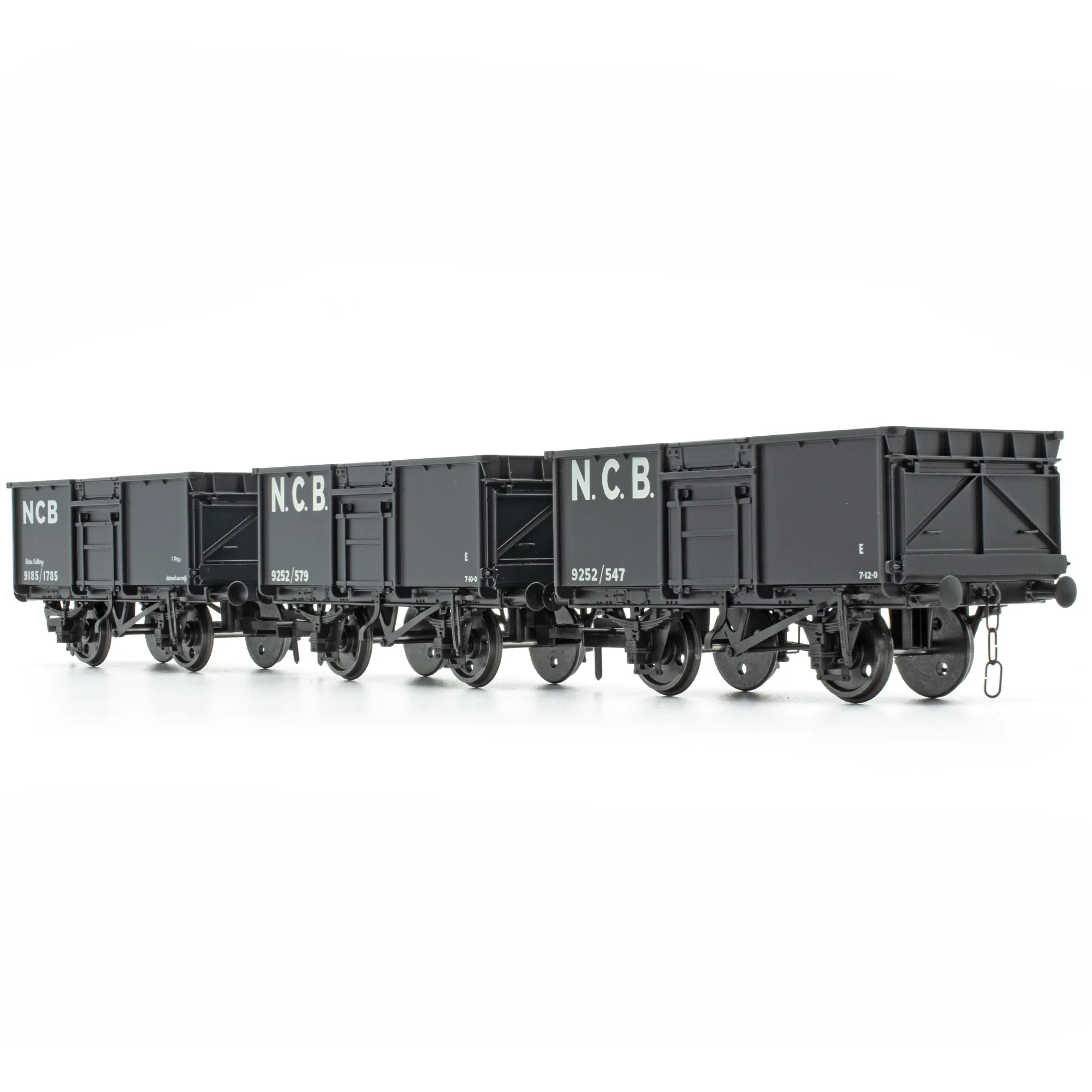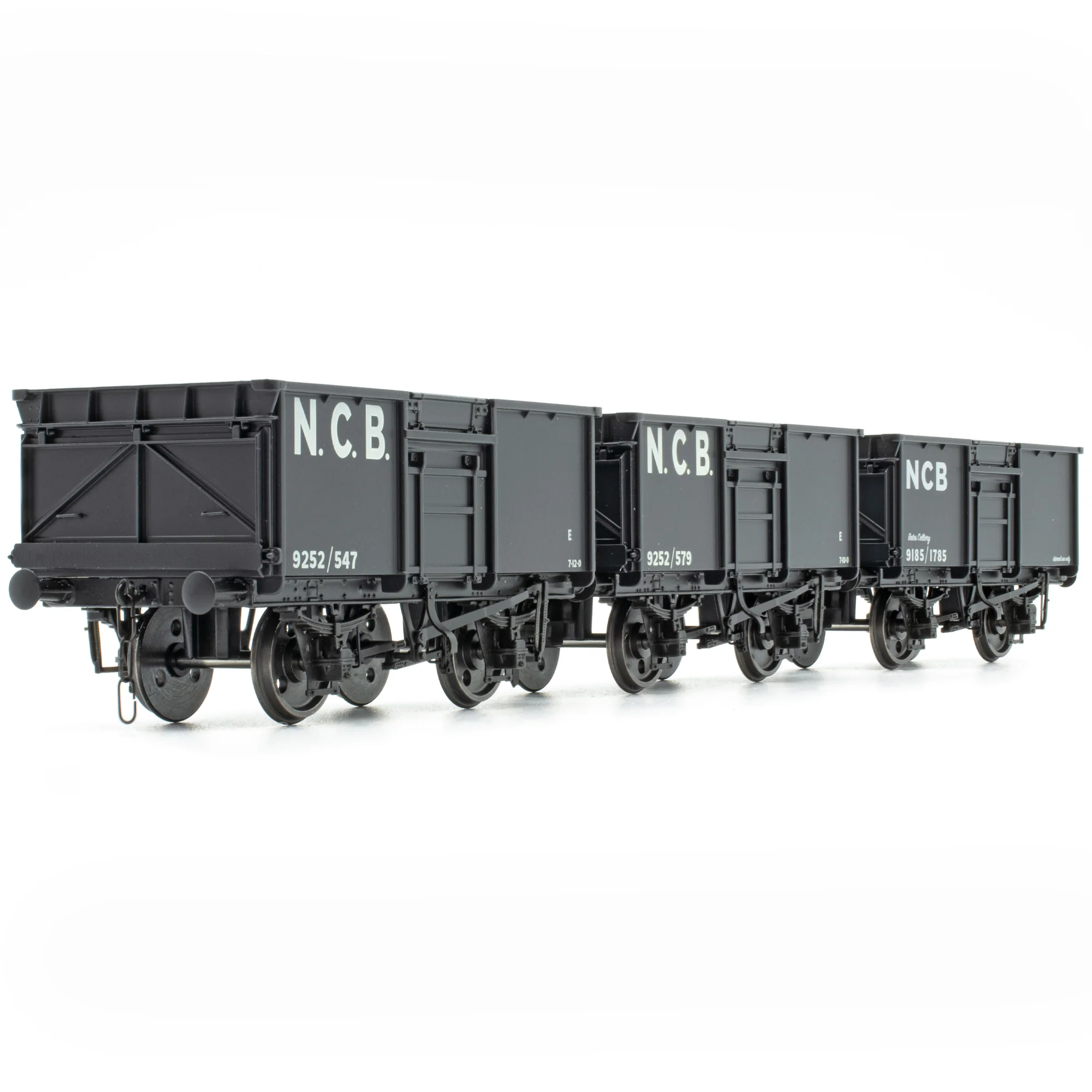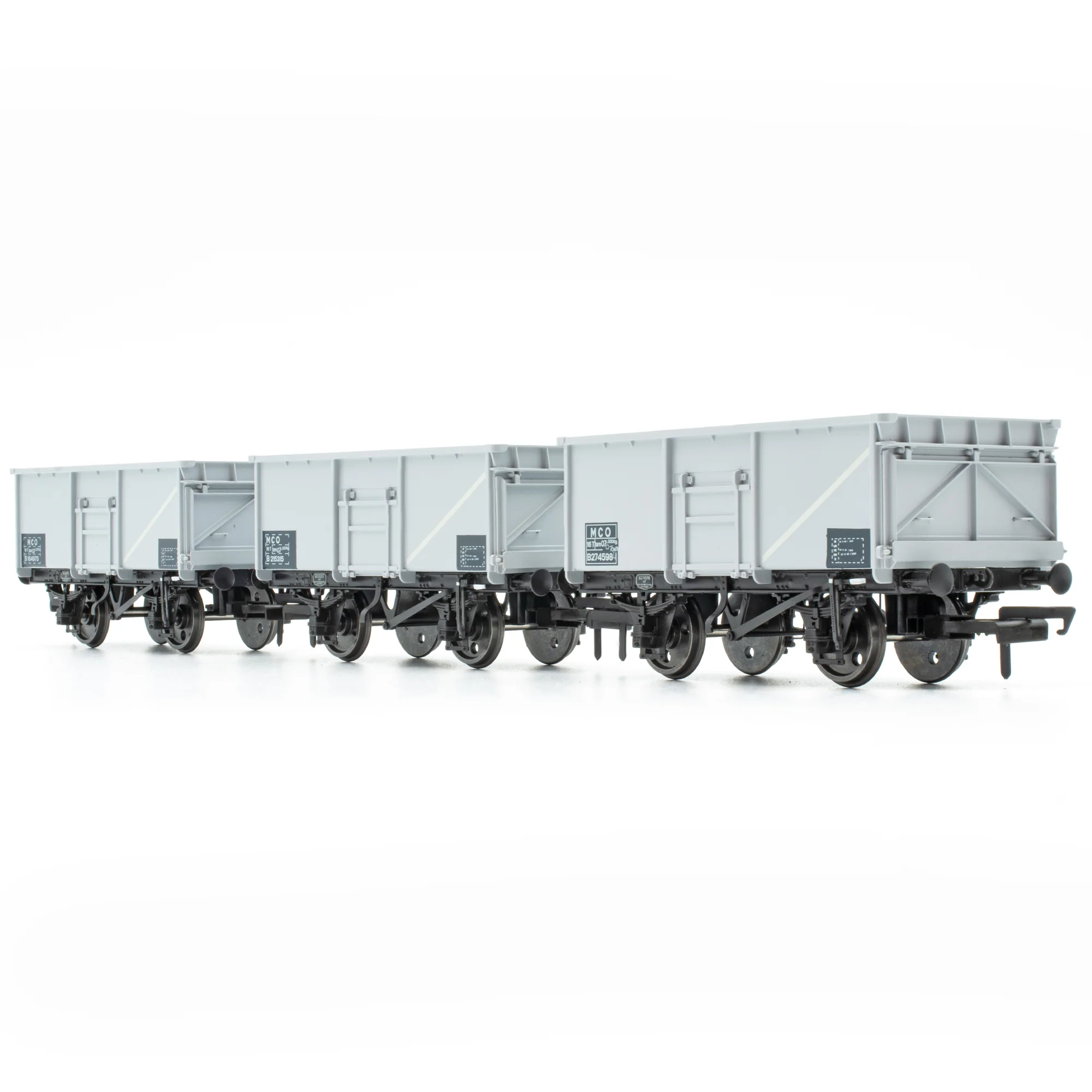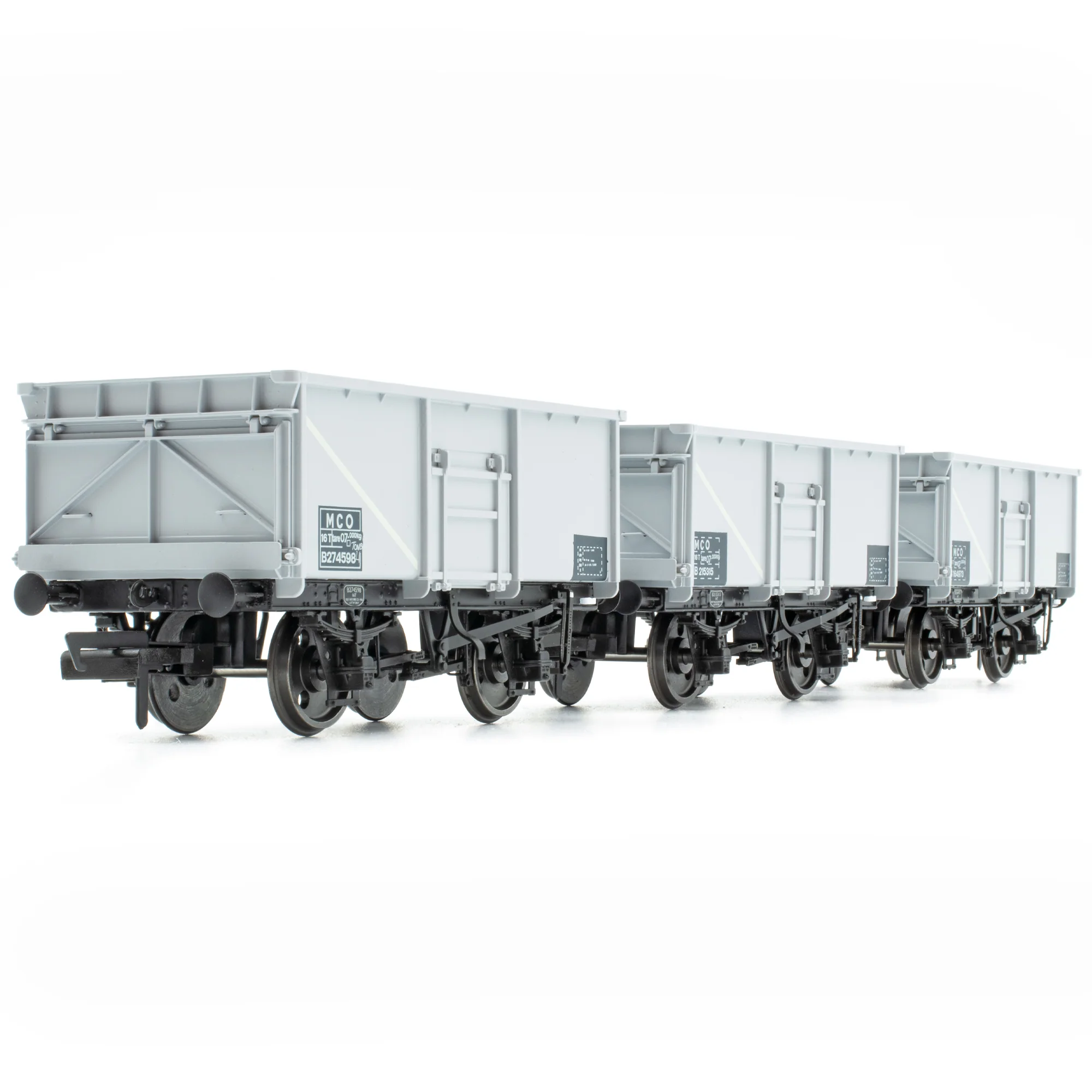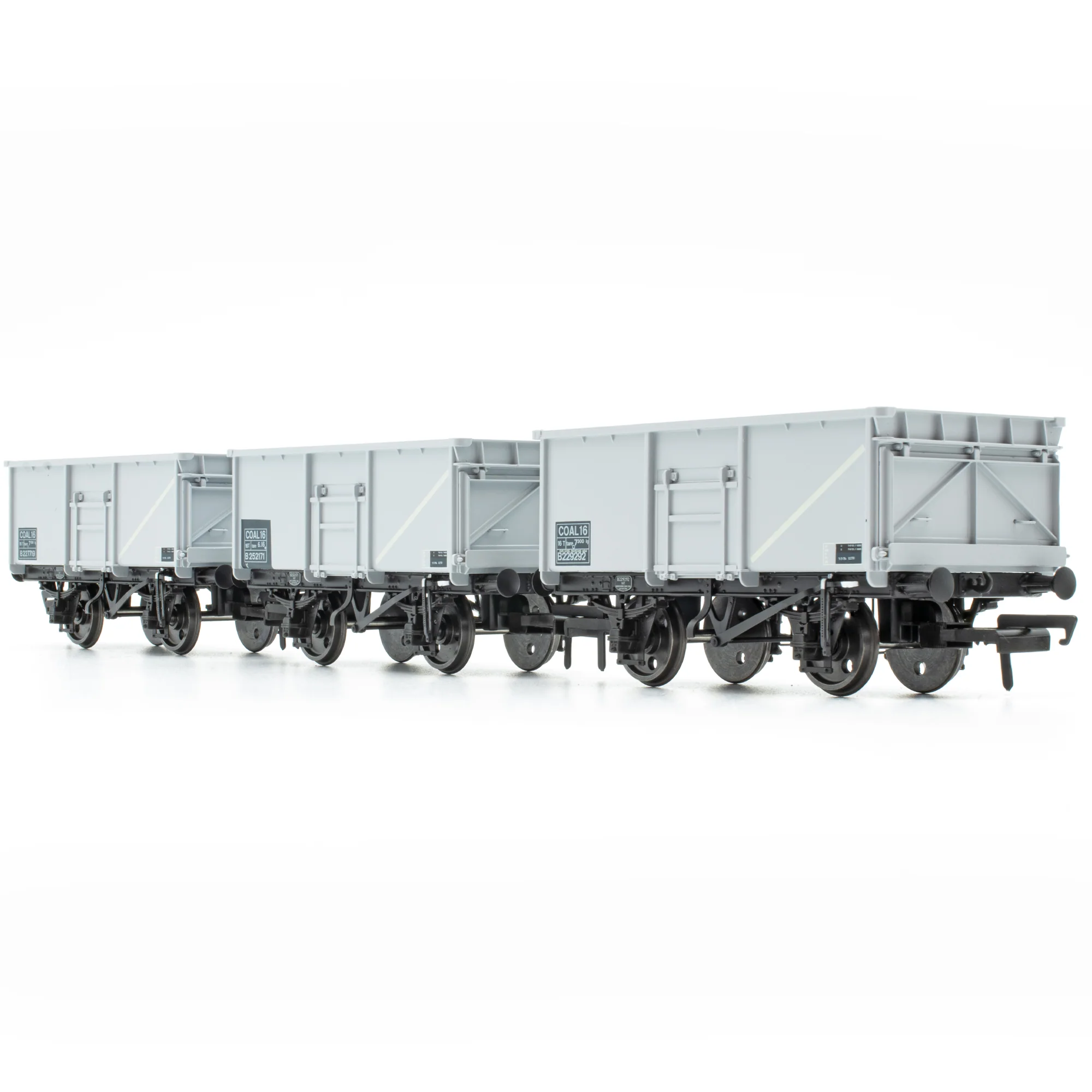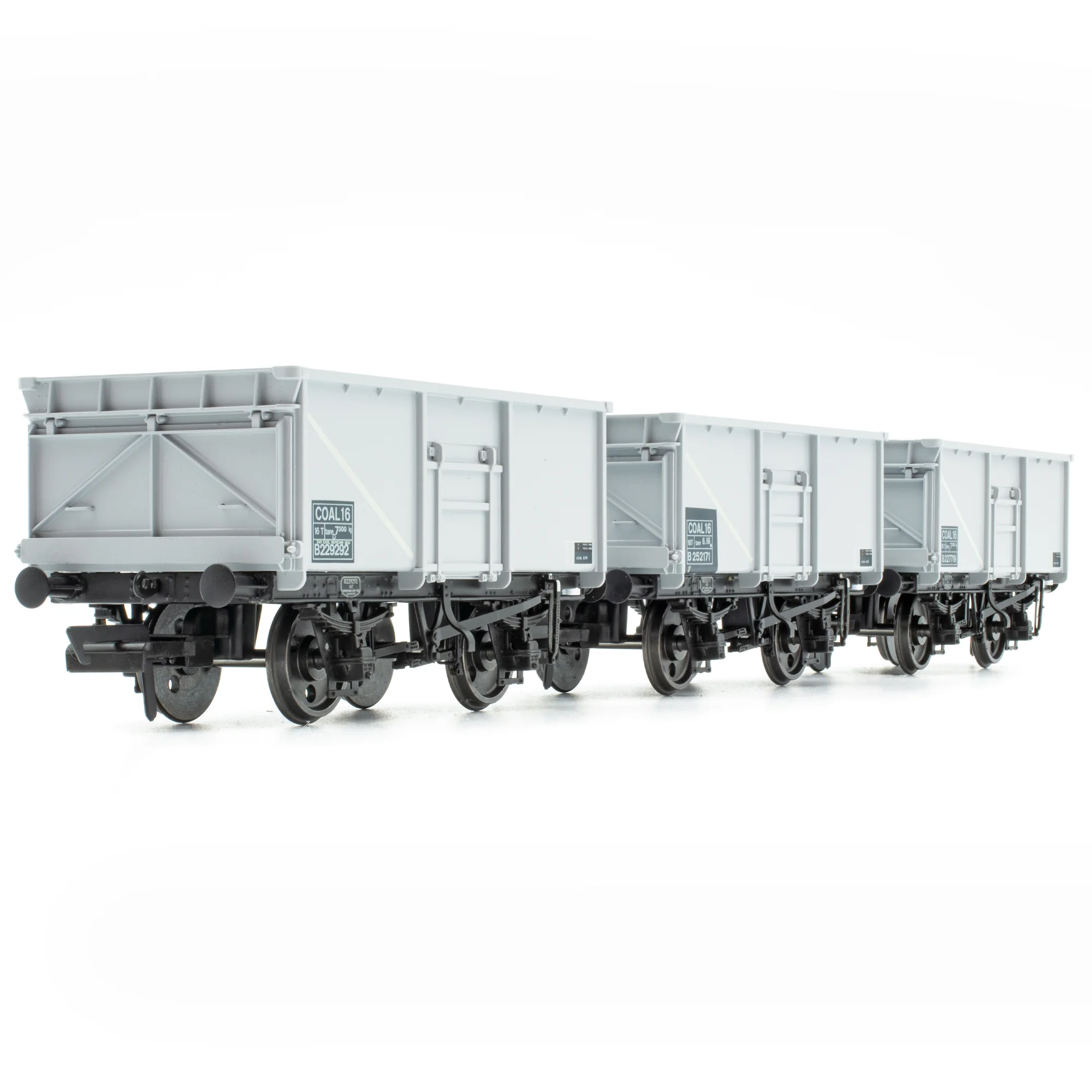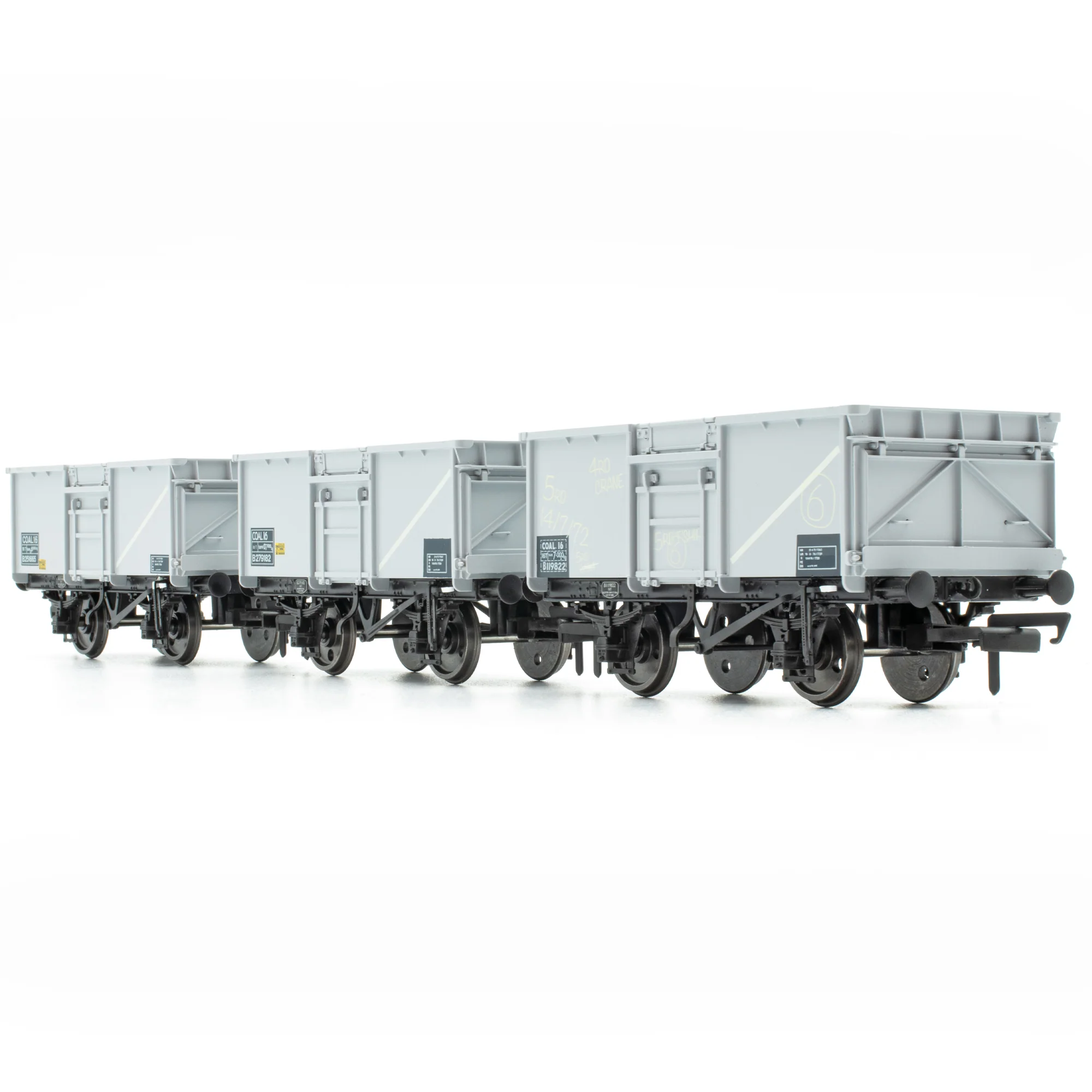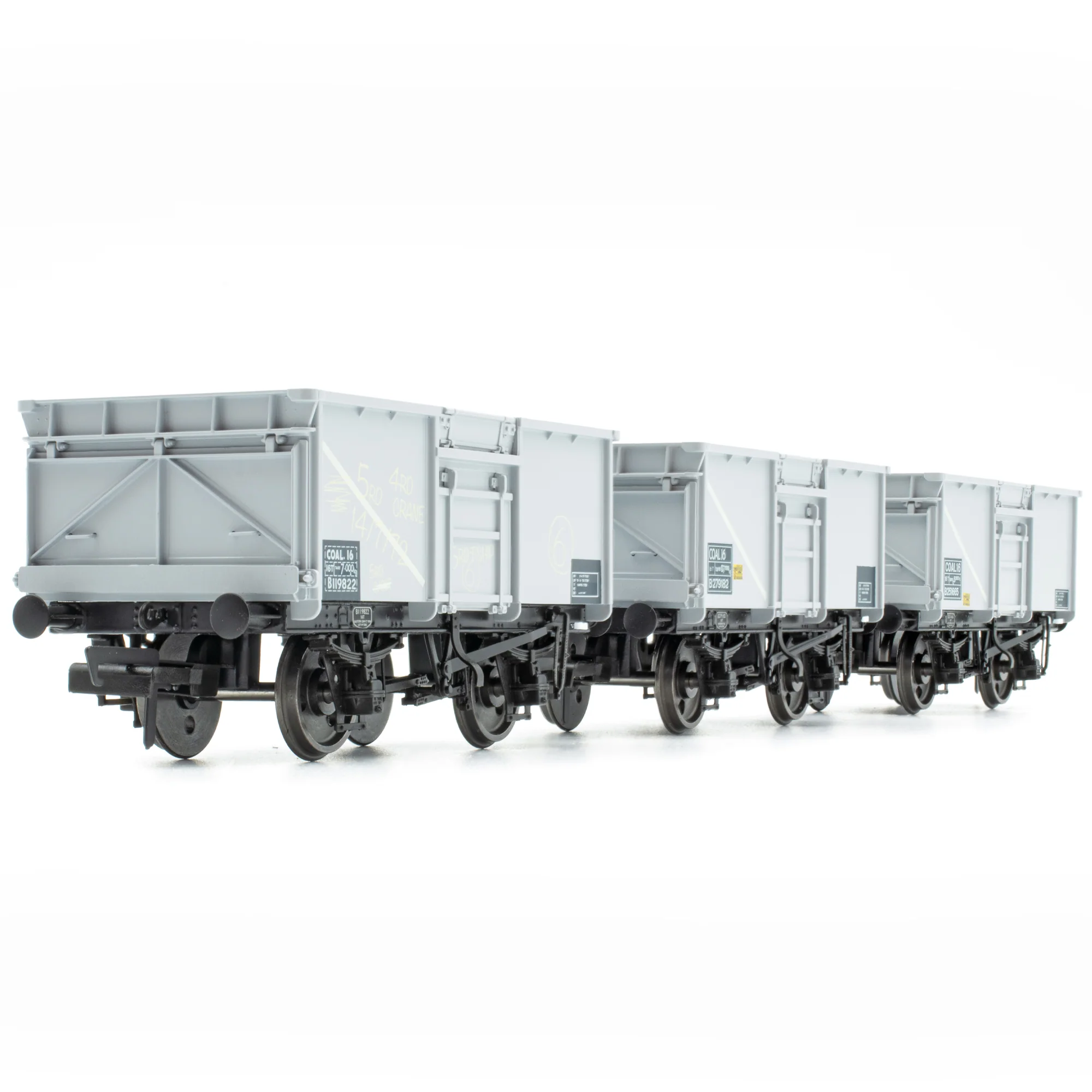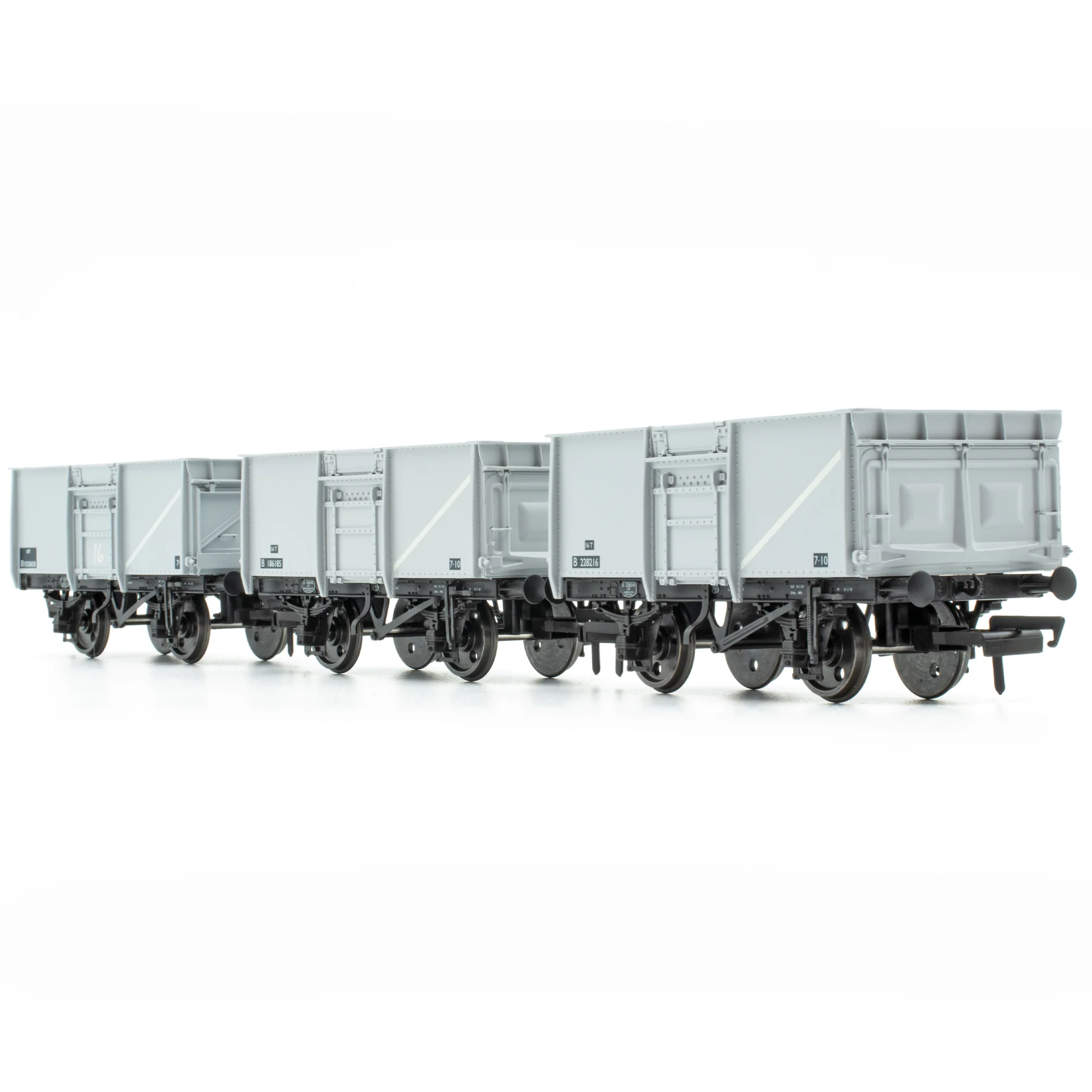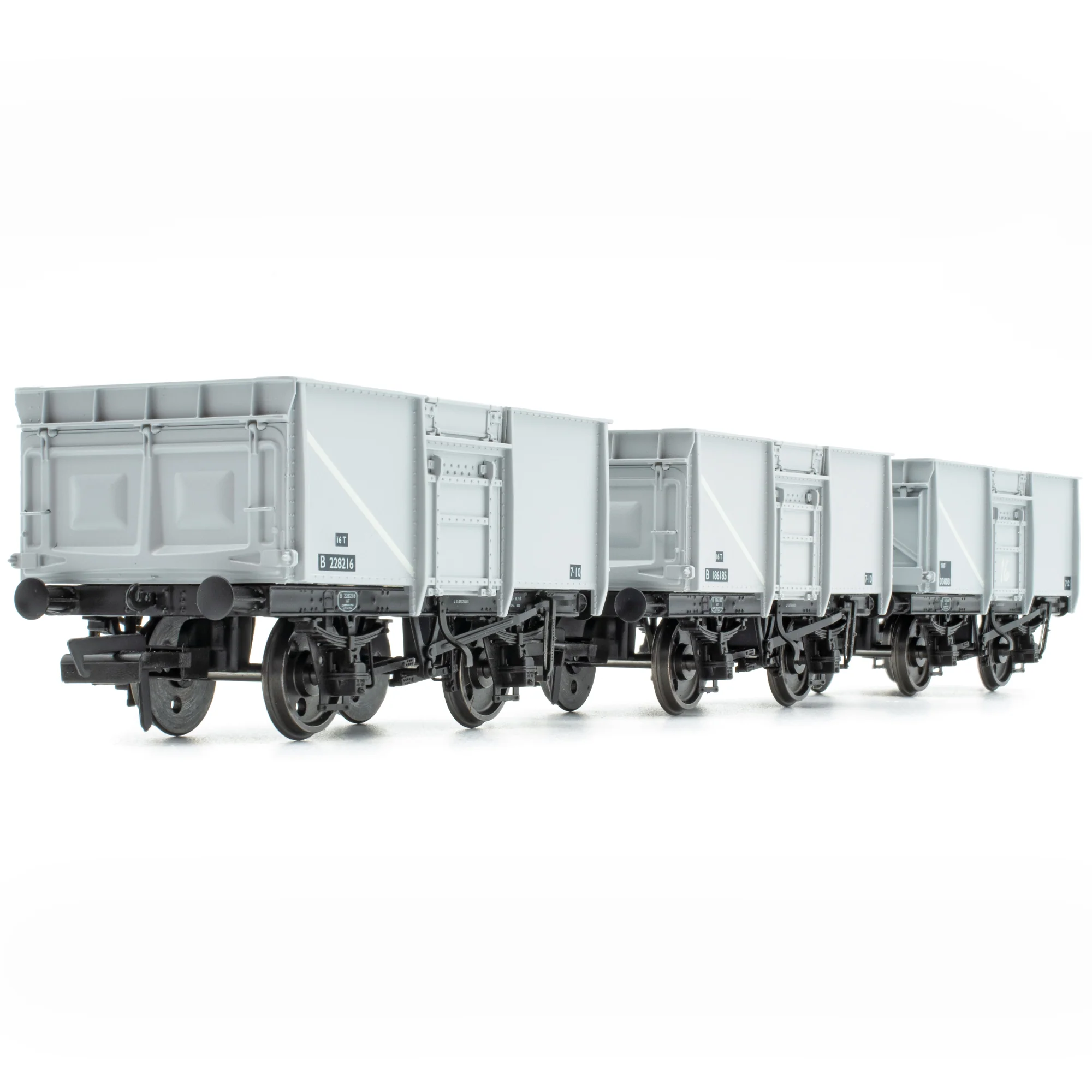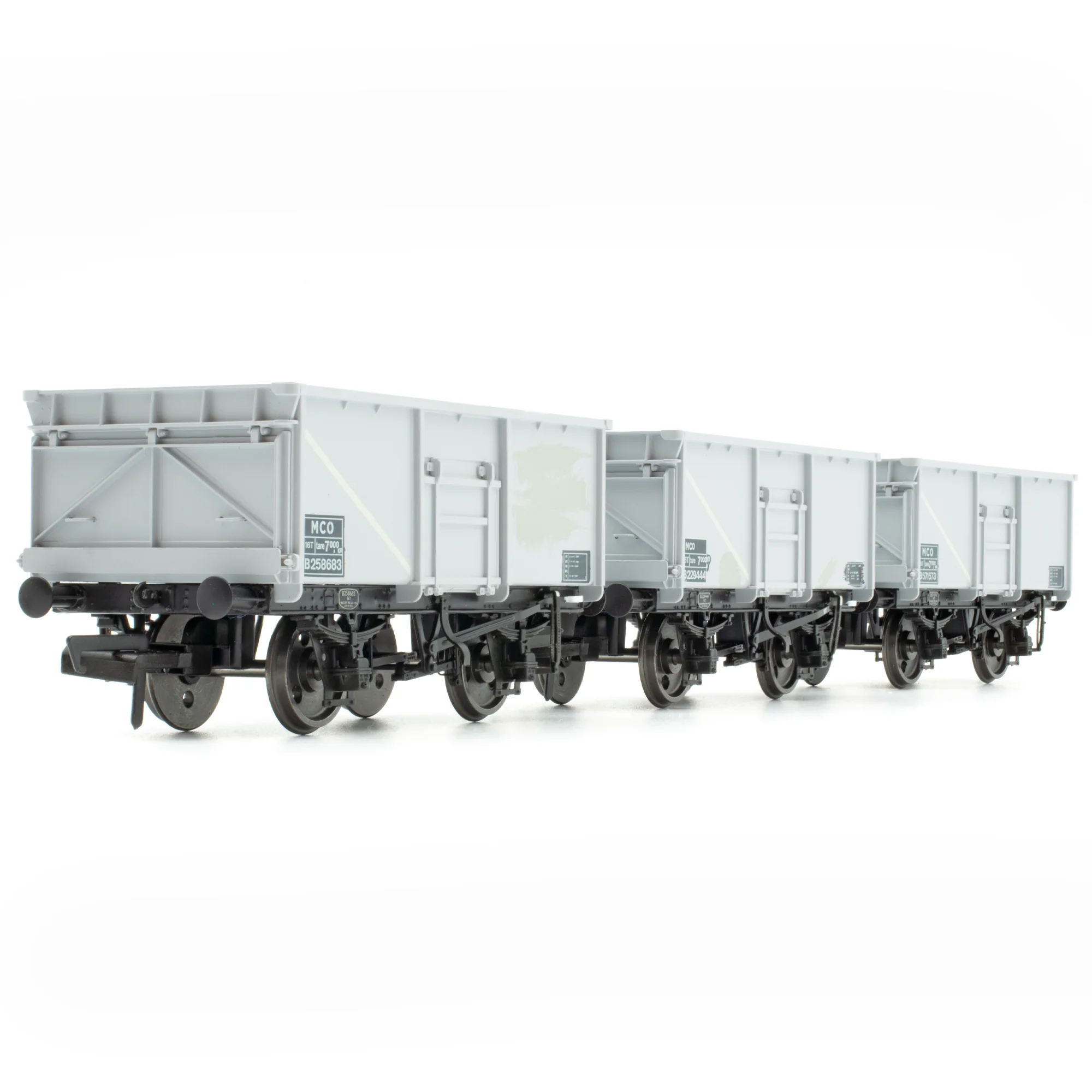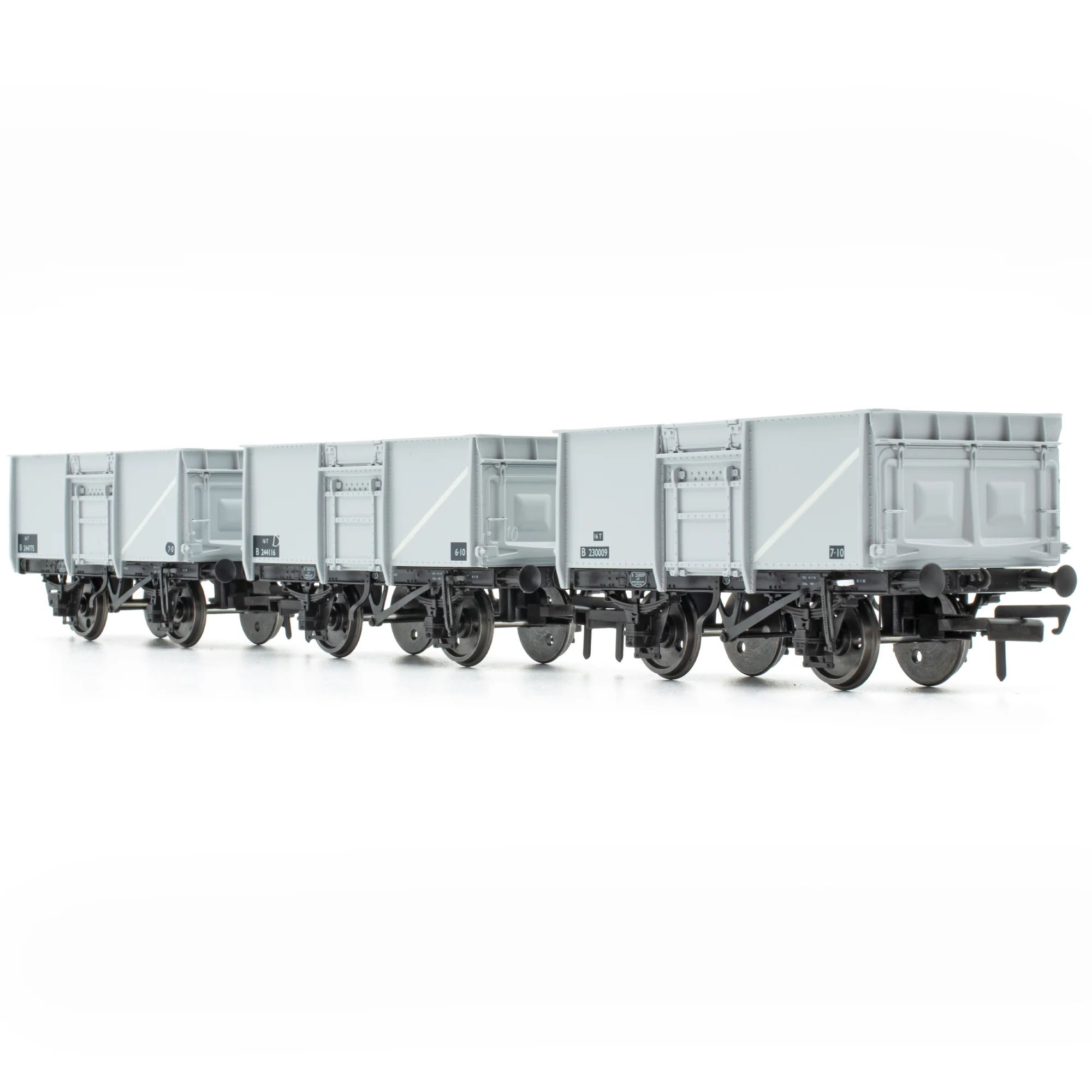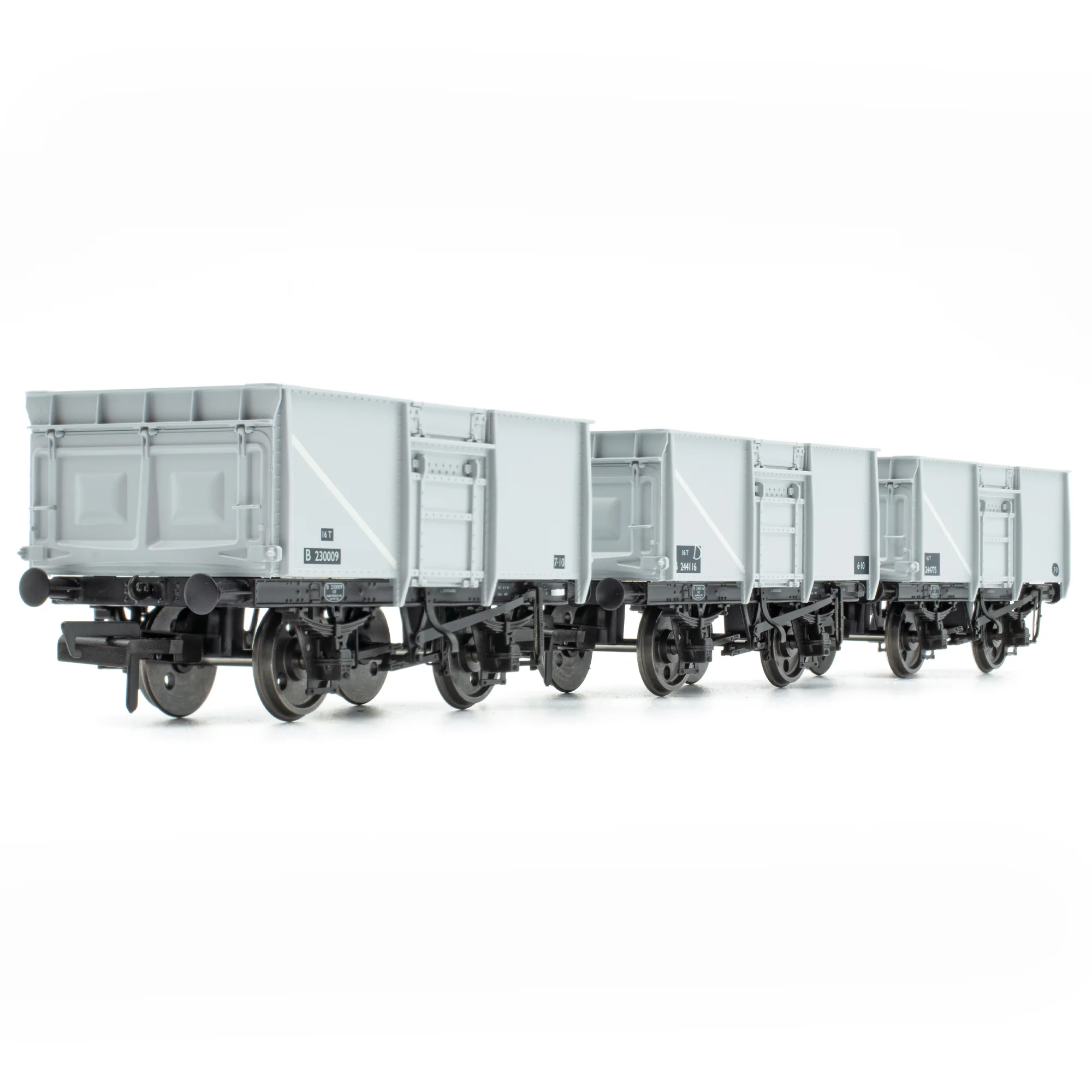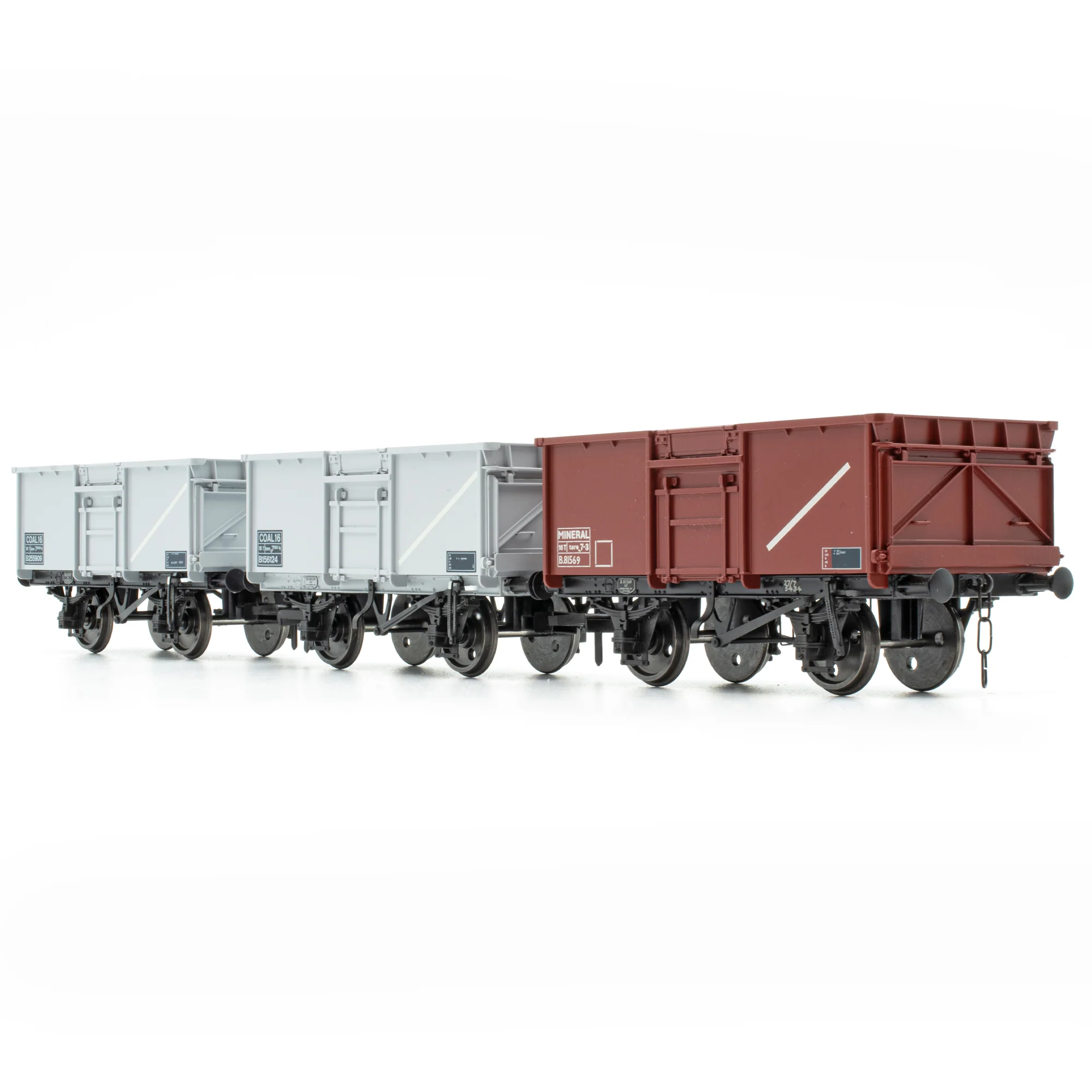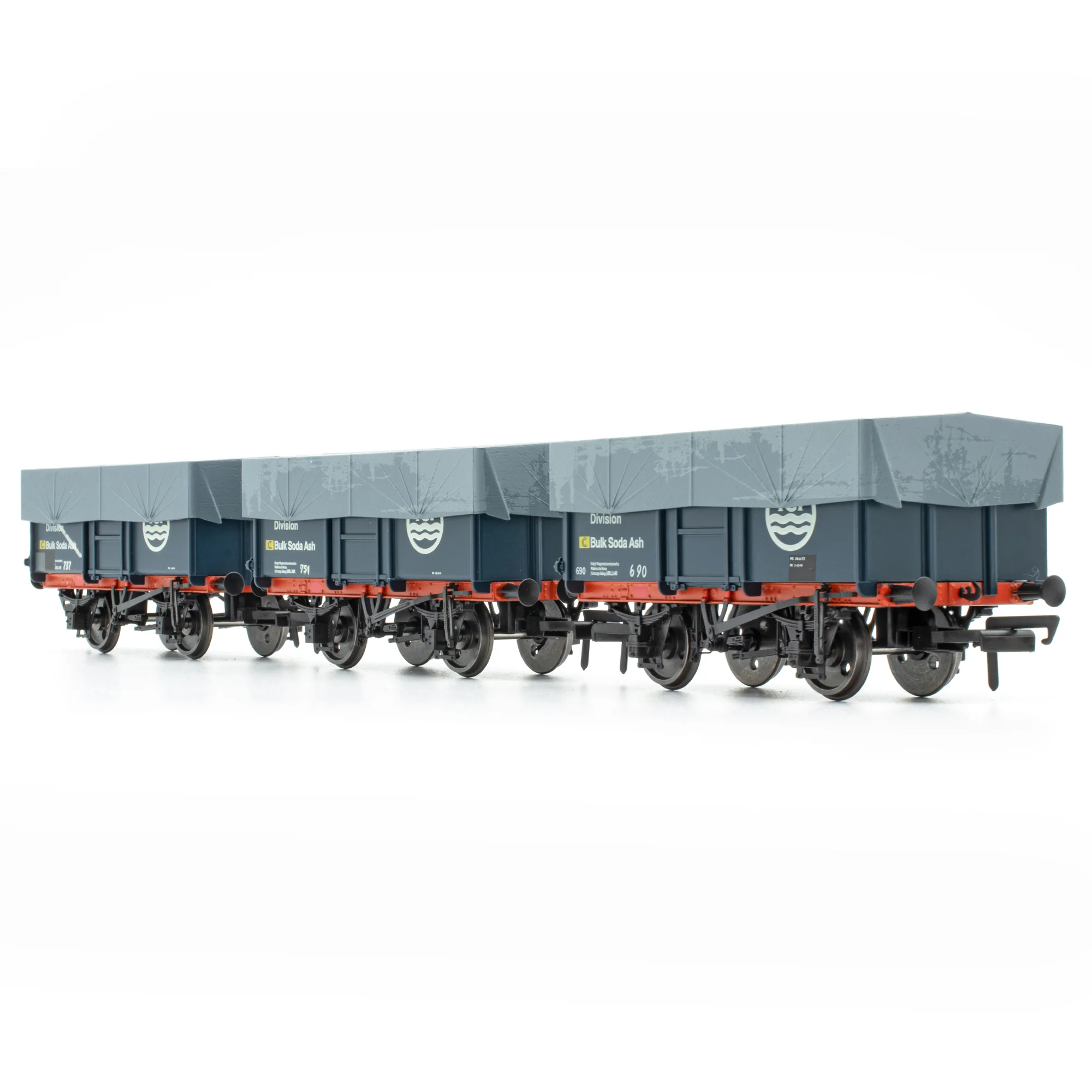
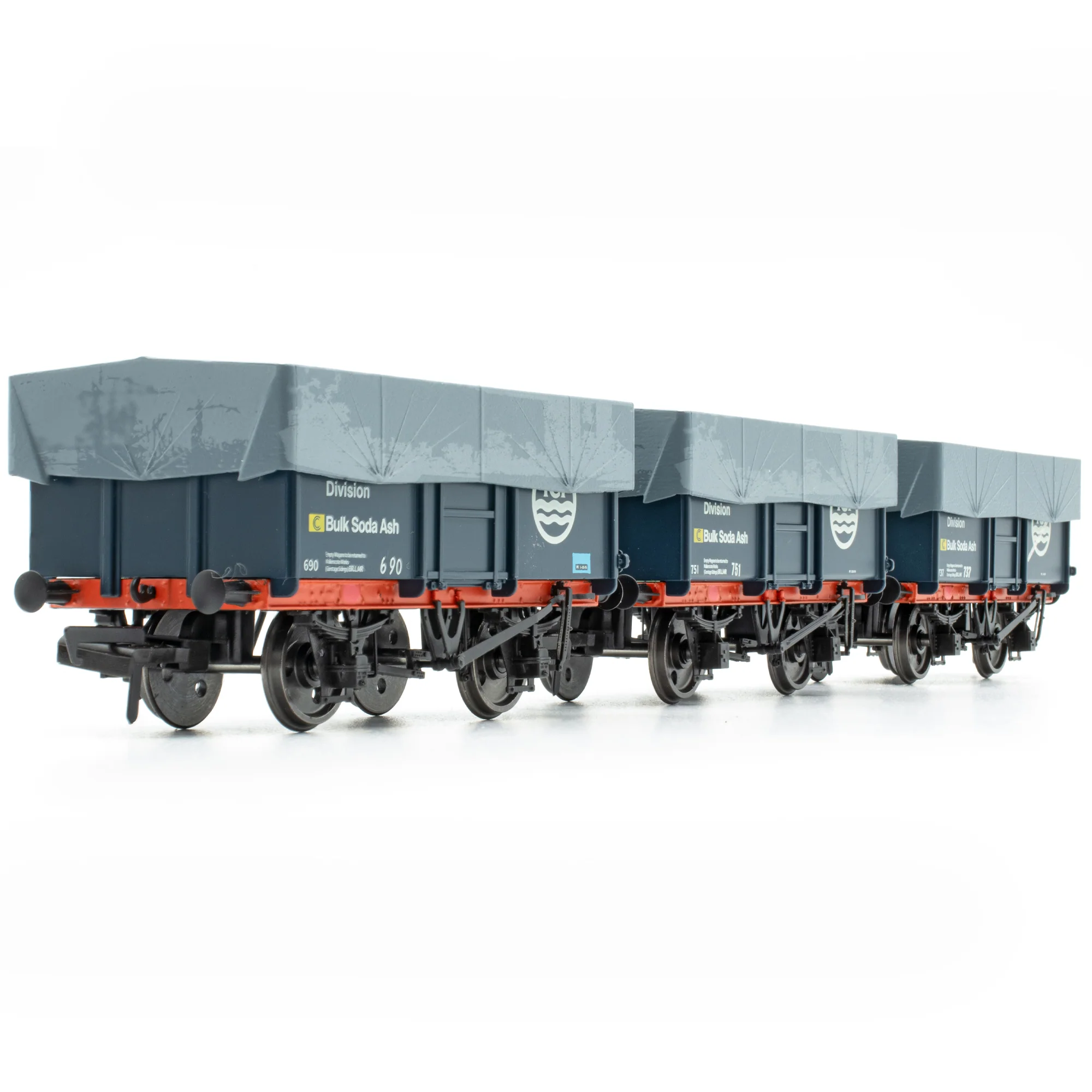
BR 16T Mineral - POO - ICI Mond Division Blue/Red - Pack P
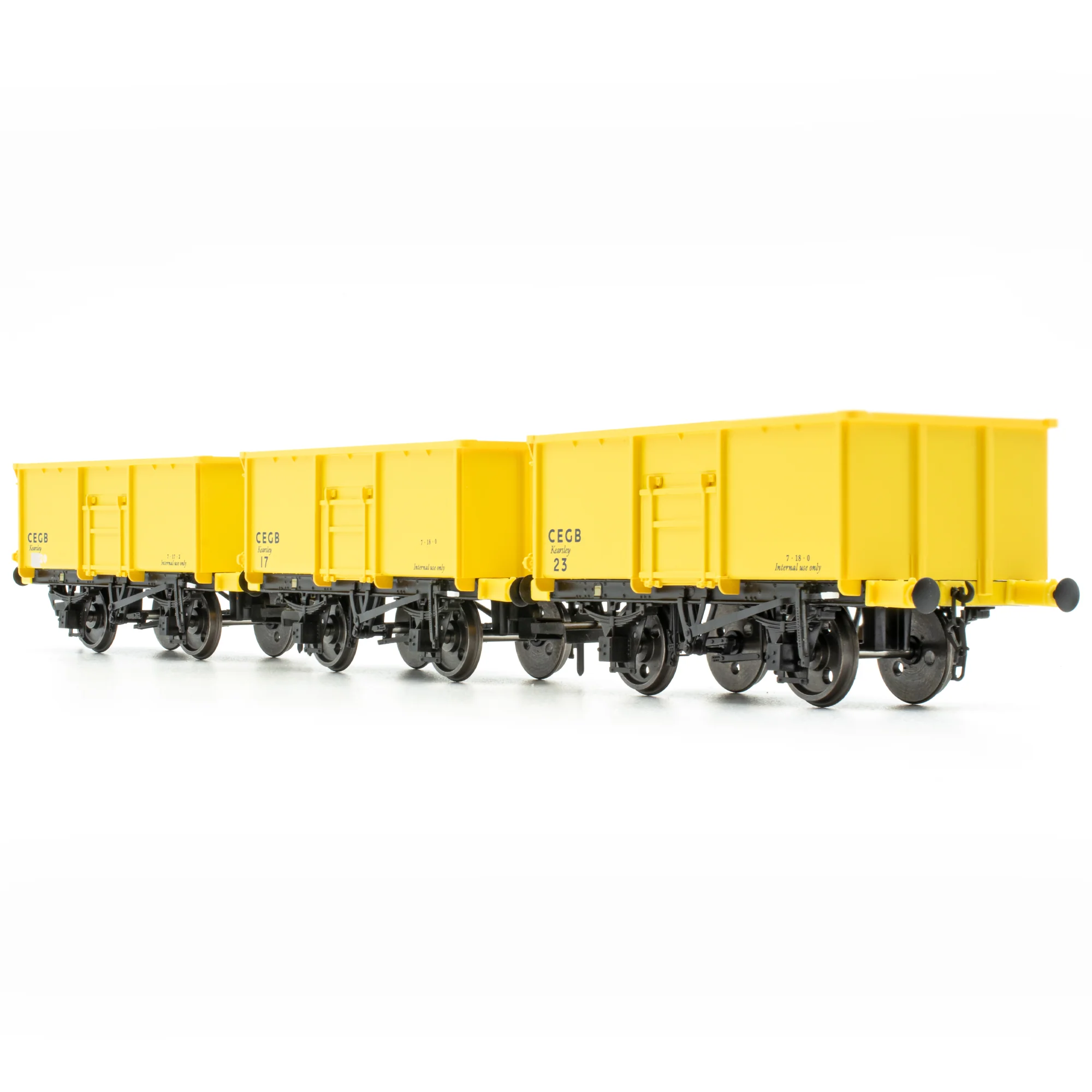
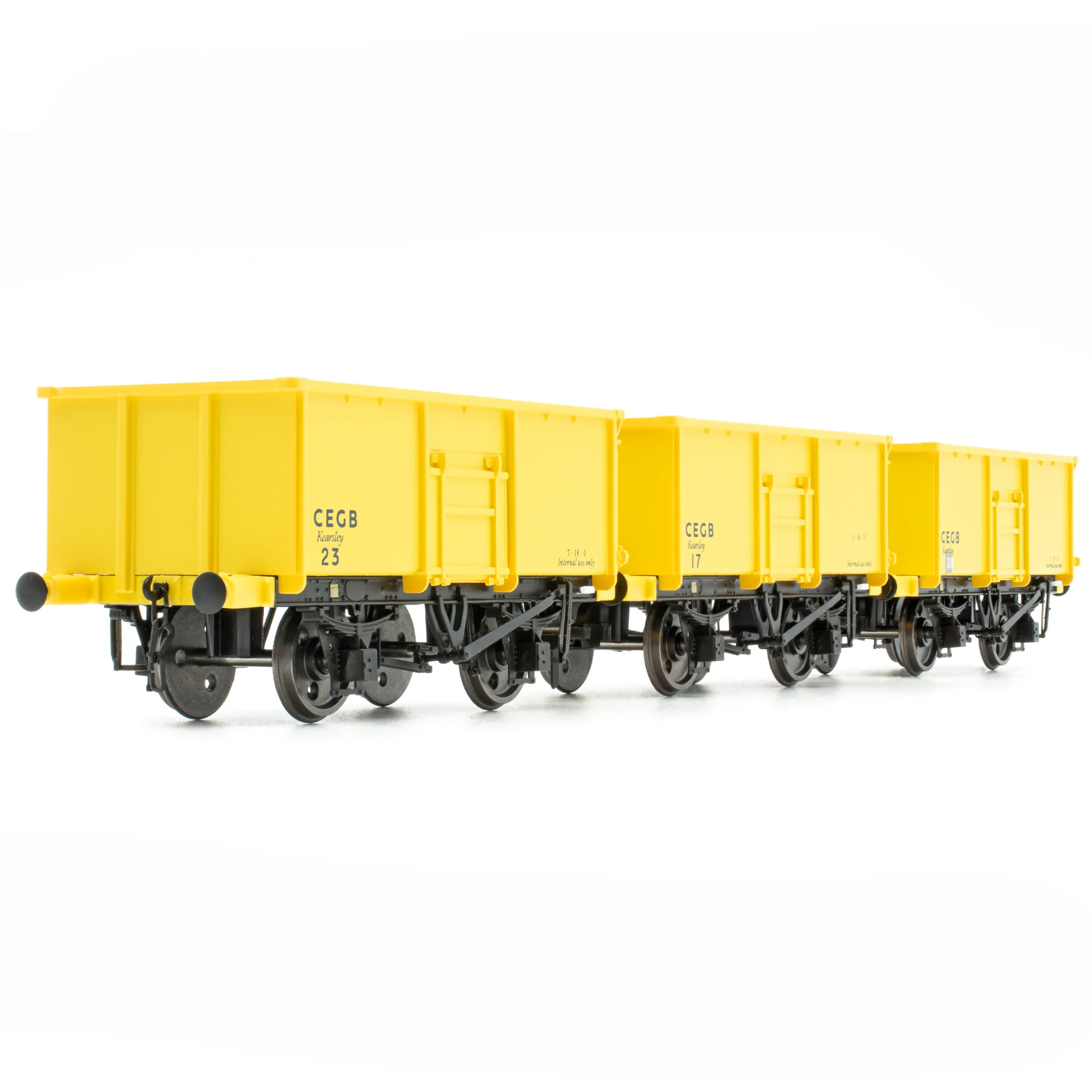
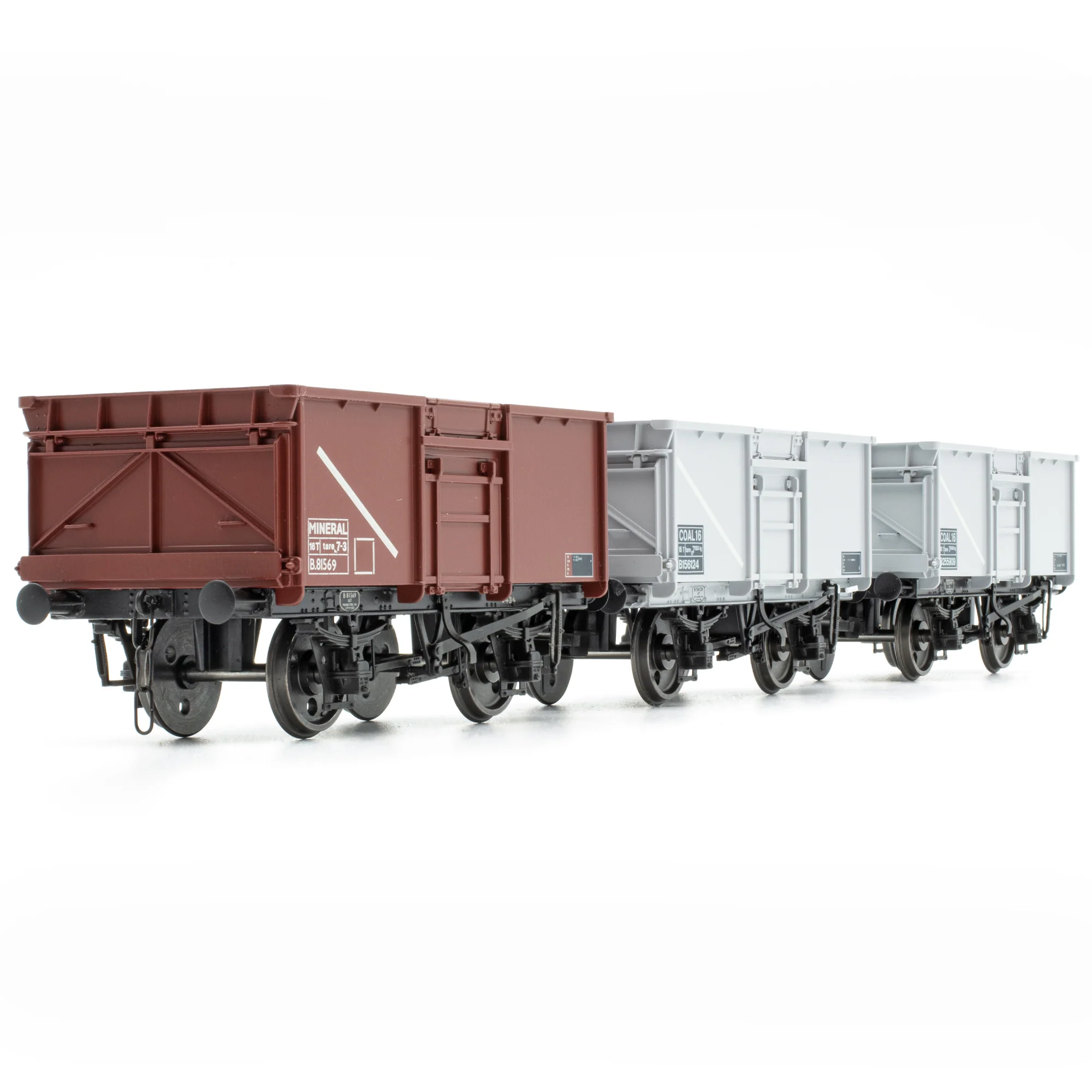
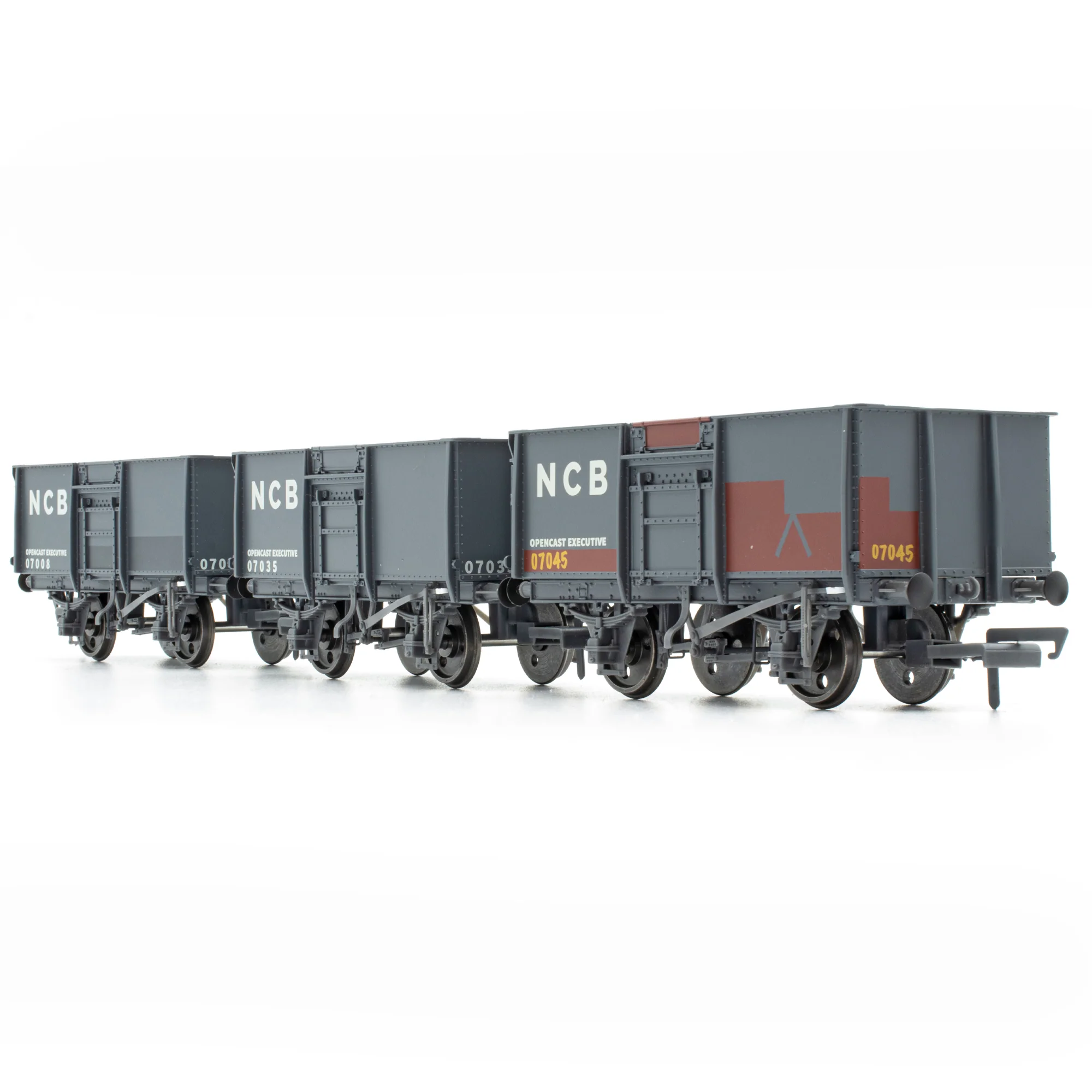
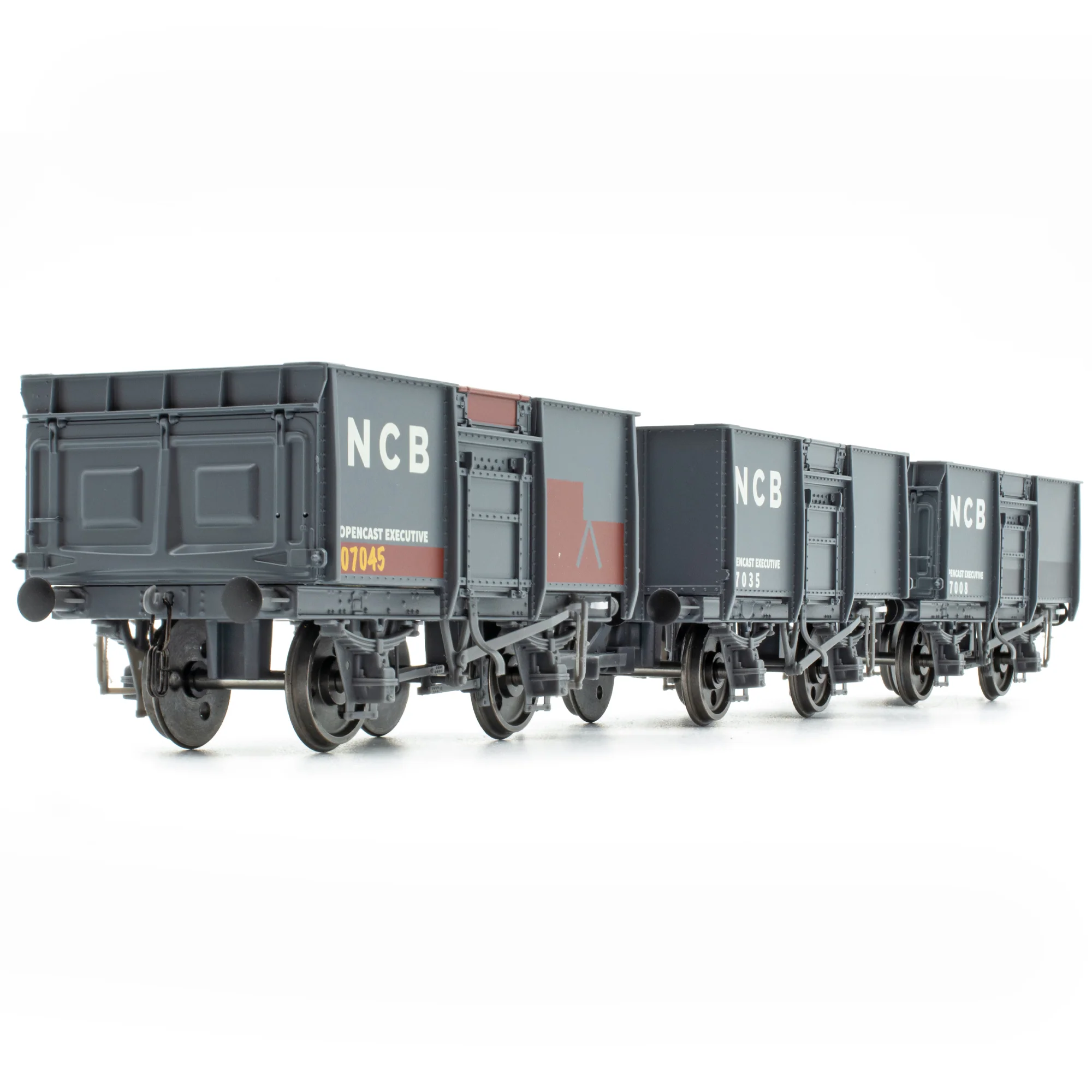
Seen as very much the ‘missing link’ in the ‘Powering Britain’ range, the 16 ton mineral wagon is an essential addition to the Accurascale range to tell the story of coal traffic on the railways throughout the 20th century. The archetypal BR 16 ton all-steel non-hoppered mineral wagon proliferated across the United Kingdom’s railway network during the 1950s and 1960s and there was probably not a siding, freight yard or industrial railway system in the country that did not house at least an example or three of these vitally important, yet mundane railway vehicles.
$35.69
Original: $101.97
-65%BR 16T Mineral - POO - ICI Mond Division Blue/Red - Pack P—
$101.97
$35.69More Images

BR 16T Mineral - POO - ICI Mond Division Blue/Red - Pack P
Seen as very much the ‘missing link’ in the ‘Powering Britain’ range, the 16 ton mineral wagon is an essential addition to the Accurascale range to tell the story of coal traffic on the railways throughout the 20th century. The archetypal BR 16 ton all-steel non-hoppered mineral wagon proliferated across the United Kingdom’s railway network during the 1950s and 1960s and there was probably not a siding, freight yard or industrial railway system in the country that did not house at least an example or three of these vitally important, yet mundane railway vehicles.
Product Information
Product Information
Shipping & Returns
Shipping & Returns
Description
Seen as very much the ‘missing link’ in the ‘Powering Britain’ range, the 16 ton mineral wagon is an essential addition to the Accurascale range to tell the story of coal traffic on the railways throughout the 20th century. The archetypal BR 16 ton all-steel non-hoppered mineral wagon proliferated across the United Kingdom’s railway network during the 1950s and 1960s and there was probably not a siding, freight yard or industrial railway system in the country that did not house at least an example or three of these vitally important, yet mundane railway vehicles.